Why Sleep Matters 😴
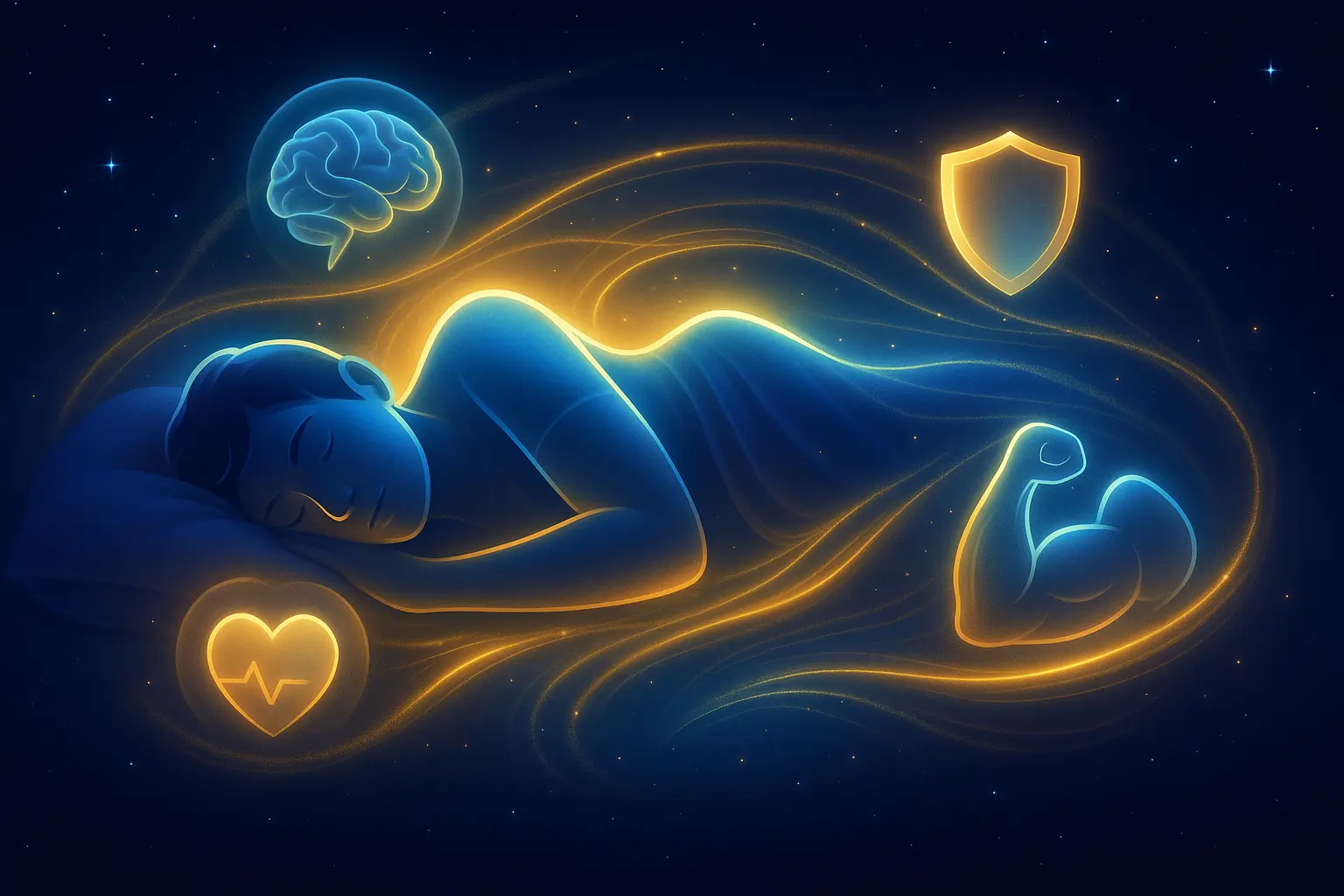
Sleep isn’t just downtime — it’s the body’s nightly maintenance crew, preventing the most common sleep deprivation effects that build up when we cut corners on rest. When you actually get good sleep, your brain consolidates memories, your immune system gets a tune-up, and your hormones keep their act together. Sounds simple, right? But the reality is messy: modern life — screens, stress, and schedules — often steals those precious hours. If your goal is to restore your natural rhythm, check out Digital Detox: Why You Need a Break From Screens — it pairs perfectly with better rest habits.
Here’s the thing: sleep affects nearly every system in the body. Not kidding. From mood to metabolism to how you heal after a workout, sleep plays a starring role. Missing it repeatedly is like skipping oil changes on your car — eventually something’s gonna break (and it won’t be cheap or fun). You can also explore The Ultimate 30-Minute Home Workout to see how exercise and recovery balance each other for deeper sleep cycles.
Key takeaways: treat sleep as a priority, not a luxury. Small, consistent habits add up (and yes, naps can help sometimes, if done right). 🌙
Stages of Sleep: What Happens at Night
Sleep isn’t one single state — it’s a cycle. We move through several stages multiple times a night: light sleep, deep sleep, and REM (the dream-heavy phase). Each has a job. Deep sleep helps with physical restoration — your muscles, immune function, and growth hormones get busy. REM sleep handles emotional processing and memory consolidation (so that weird daydream you had? Your brain might be filing it away). According to Sleep Foundation research, these cycles are essential for overall health and longevity.
Quick Breakdown of Sleep Deprivation Effects
- Stage 1 (Light): drifting in and out, easy to wake.
- Stage 2: deeper than stage 1, body temperature drops, heart rate slows.
- Deep Sleep (Stage 3): body repair, growth hormone release, hardest to wake.
- REM Sleep: brain activity spikes, vivid dreams, learning & emotions processed.
Each cycle lasts ~90 minutes and repeats 4–6 times. Miss the early cycles and you lose deep sleep; miss the later cycles and REM takes a hit. Balance is key (and sometimes elusive, I know).
Sleep Deprivation Effects — Short- and Long-Term Impact
Skip sleep and the immediate effects are obvious: foggy thinking, irritability, and slower reaction times (not good if you’re driving). After a few nights, things escalate. Metabolism changes, appetite hormones shift (hello, junk-food cravings), and blood pressure can creep up. Chronic sleep loss ties to higher risk of serious conditions — think heart disease, diabetes, and mood disorders.
Mental health also takes a hit. Anxiety and depression often worsen with poor sleep, and cognitive functions — attention, creativity, decision-making — decline. The scary part? Some effects build silently over months or years. You might not notice subtle declines until they’re big problems.
Bottom line: occasional late nights happen. Chronic under-sleeping? That’s when the clock starts charging interest on your health.
Physical Health Consequences of Sleep Deprivation Effects 🛏️
Your body really hates inconsistent sleep. Here’s a quick snapshot of what poor sleep can do:
- Weakened immune response (more colds, infections).
- Higher inflammation markers — linked to heart disease.
- Weight gain risk increases (hormone imbalance + cravings).
- Slower recovery after exercise or injury.
Also — sports folks, listen up — deep sleep is when muscles repair and hormones peak for recovery. Miss it and performance drops. Not dramatic overnight, but persistent sleep loss can reduce strength, speed, and endurance. So yeah, sleep equals gains (or at least keeps the gains you already made).
Mental & Cognitive Sleep Deprivation Effects 🌙
Think of sleep as your mind’s nightly filing system. During sleep, the brain sorts memories, prunes unnecessary connections, and makes room for learning the next day. Without enough of it, focus slips and creativity shudders. Ever try to learn something new on too little sleep? It’s like pouring water into a leaky bucket.
Emotionally, sleep moderation helps regulate mood. Too little sleep ramps up reactivity — the smallest annoyance can blow up into something bigger. Chronic poor sleep also raises the risk for long-term psychiatric conditions. So yeah, it’s not just feeling tired; it’s about mental resilience.
Practical Tips for Better Sleep (How to Sleep Better)
Ready for actionable stuff? Good. These aren’t magic pills, but they work if you stick with them. Little things accumulate — promise.
- Consistent schedule: go to bed and wake up at similar times (yes, even weekends, mostly).
- Wind-down routine: 30–60 minutes before bed, do calmer activities (read, gentle stretches, quiet music).
- Limit screens: blue light messes with melatonin — dim the devices or use night modes.
- Mind the bedroom: cool, dark, and quiet is the goal (earplugs, blackout curtains can help).
- Caffeine & alcohol: avoid late-day caffeine; alcohol disrupts sleep cycles even if it knocks you out.
- Short naps: 20–30 minutes max; avoid long naps late in the day.
Try one change at a time — the brain likes routine, but it also adapts slowly. Give each new habit a couple of weeks before judging. Patience, my friend — results come.
Sleep-Friendly Environment: Setup & Habits
Small tweaks to your room can make a big difference. Temperature around 60–67°F (15–19°C) often works well, but personalize it. Light is a biggie — even tiny LEDs on chargers can be disruptive. Consider dimming lights well before bed to cue your body that it’s wind-down time.
Bedroom checklist
- Comfortable mattress and pillows (replace when sagging).
- Darkness: blackout curtains or eye mask.
- Quiet: white noise machine or fan if needed.
- Tech-free zone: ideally, no phone in bed.
And here’s a simple reference table for recommended sleep durations — handy to glance at when judging your own sleep needs.
| Age | Recommended Sleep |
|---|---|
| Newborns (0–3 months) | 14–17 hours |
| Infants (4–12 months) | 12–16 hours |
| Children (1–5 years) | 10–13 hours |
| School-age (6–13 years) | 9–11 hours |
| Teens (14–17 years) | 8–10 hours |
| Adults (18–64 years) | 7–9 hours |
| Older adults (65+ years) | 7–8 hours |
When Sleep Problems Need Professional Help
Occasional sleepless nights? Totally normal. But if you’re regularly waking up gasping, falling asleep in the day, or your sleep issues are harming work or relationships, see a healthcare provider. Sleep apnea, restless legs, chronic insomnia — these can be diagnosed and treated. Don’t shrug it off.
Also, if mood symptoms (depression, anxiety) coexist with sleep problems, get help sooner rather than later. Treatments — whether behavioral therapies like CBT-I, CPAP for apnea, or medication in specific cases — can change lives. Yes, really. There’s no shame in getting help; it’s smart self-care.
Final Thoughts & Quick Wins 🌟
Here’s a short roundup to tuck in your back pocket: sleep is foundational. Make it a habit, not a reward. Small changes — consistent wake time, wind-down routine, a cool dark room — add up more than occasional “sleep hacks.” Be patient with the process (good habits take time to stick).
- Pick one sleep habit to try for two weeks.
- Track sleep lightly (a simple journal beats obsessive tracking).
- If things are severe or persistent, ask a clinician — sooner is better.
Alright, that was a lot — but sleep matters. Treat it like the priority it deserves, and your body and brain will thank you (probably with better mornings, clearer thinking, and fewer snack attacks). Sweet dreams — really. 😴🌙