
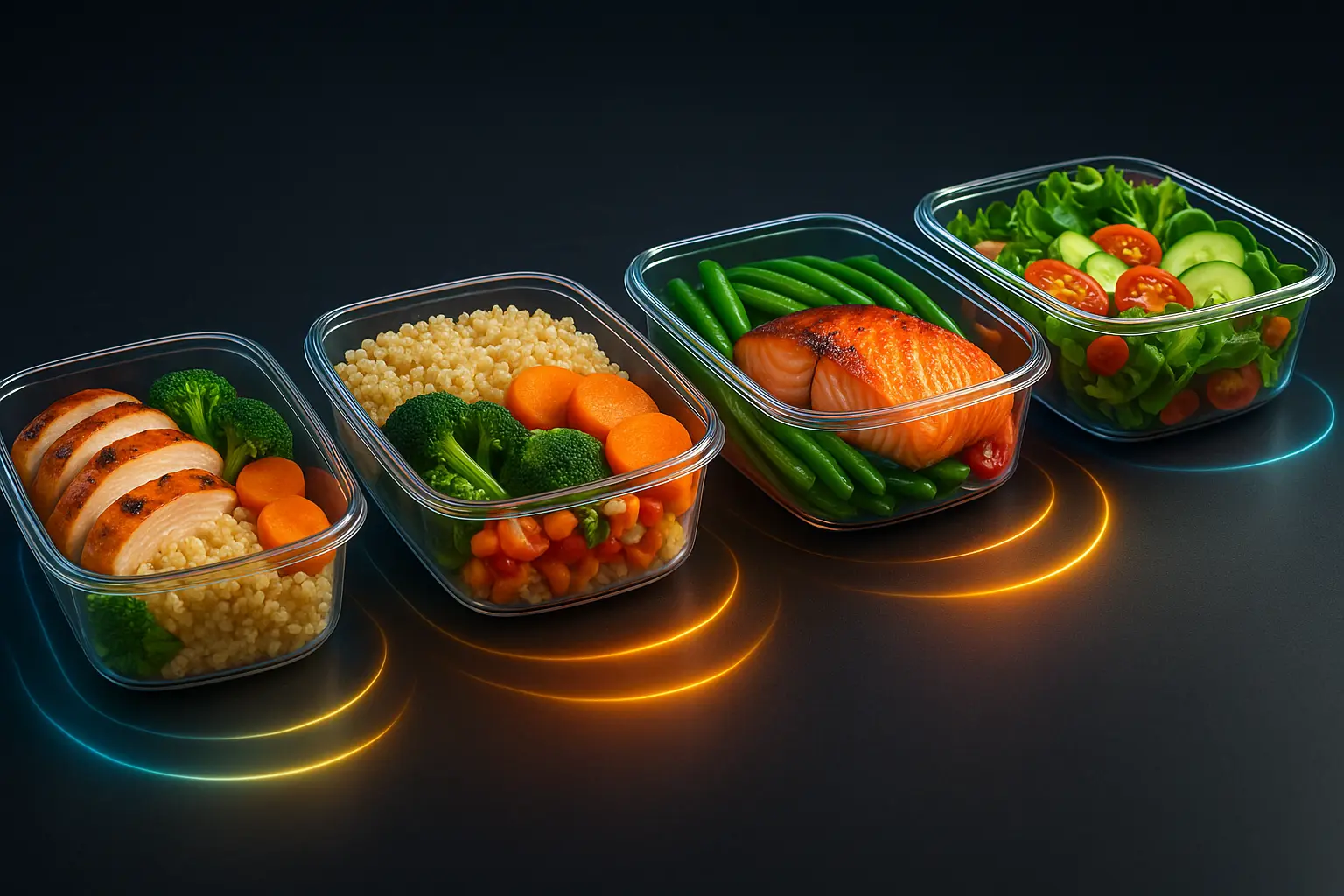
Beginner’s Guide
Short on time but want to eat well? This meal prep guide is for you — especially if you’re juggling meetings, deadlines, and a social life. 🍱⏱️👩💼 Read on for a step-by-step, realistic plan that feels do-able, not soul-crushing. Yep, you can actually enjoy your lunches during the week. Sounds wild, right?
Meal prep guide — why meal prep matters (and won’t ruin your life)
Look, the buzz about meal prep for beginners isn’t hype — it’s practical. When you’re busy, the default is fast food, takeout, or whatever’s left in the office kitchen. That’s not great for your energy, mood, or wallet. Meal prepping gives you control: better nutrition, predictable costs, less daily decision fatigue (huge, honestly). You save time overall — usually a 1–2 hour block once or twice a week replaces frantic daily cooking. And yes, it’s also a tiny act of self-care. Not dramatic, but it helps. For more inspiration, explore our guide on Top 10 Superfoods for Everyday Health — perfect to include in your weekly prep.
Here are the big wins, quick and cozy:
- Save time: batch-cooking cuts daily meal time.
- Reduce stress: fewer “what’s for lunch?” moments.
- Eat healthier: portion control, more veggies.
- Save money: fewer impulse orders, less waste.
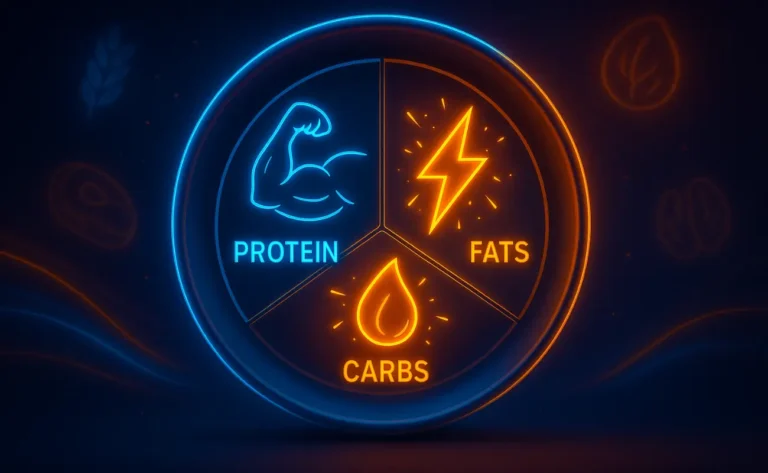
Okay, sounds appealing. But it shouldn’t feel like a second job. We’ll keep things simple and flexible — promise (mostly). And if you’d like to balance your macros while planning, check out our article on Understanding Macros: Protein, Carbs, and Fats — it connects perfectly with this meal prep strategy.
Meal prep guide tools and pantry basics you’ll actually use
You don’t need a kitchen full of gadgets, relax. Start with a few reliable things and expand only if you actually enjoy it (no pressure). Think of tools as a toolkit for convenience. A decent set of containers, a good knife, and a clever pan will carry you a long way. Small investment, big payoff.
Meal prep guide must-haves for your kitchen
- Glass or BPA-free plastic containers with tight lids (various sizes).
- A sharp chef’s knife and a cutting board.
- One large nonstick or stainless skillet and a medium saucepan.
- Sheet pan for roasting — seriously versatile.
- Measuring cups/spoons and a basic set of mixing bowls.
Nice-to-haves (optional)
- Slow cooker or Instant Pot (hands-off time-saver).
- A blender for quick smoothies or sauces.
- Ziploc bags for freezing portions.
Stock your pantry with staples: rice/quinoa, canned beans, olive oil, vinegars, soy sauce, spices (salt, pepper, paprika, cumin), garlic, onions. Those basics let you build many different meals without a long grocery list. Easy peasy. For a science-backed perspective, see Healthline’s Meal Prep Ideas — tons of practical examples.
Meal prep guide — planning your week with realistic steps
Alright, planning doesn’t have to be a spreadsheet marathon. Keep it simple: pick 2–3 proteins, 2–3 veggies, and a couple of grains for the week. Mix and match. That keeps variety while still being efficient. This approach stops the “I don’t know what to eat” spiral on Tuesday night.
Meal prep guide quick planning checklist
- Decide how many meals you want prepped (lunch only, dinners, breakfasts?).
- Choose 2 proteins (e.g., chicken + chickpeas).
- Pick 2–3 vegetables (one for roasting, one for quick sauté).
- Choose your base: rice, pasta, quinoa, or salad greens.
- Plan one “leftover night” for flexibility.
Pro tip: theme nights help. “Mexican-ish” day, “Mediterranean-ish” day — you get variety without complexity. Also, plan for snacks: hard-boiled eggs, cut veggies, hummus, or Greek yogurt. Trust me, those little things save you from vending-machine desperation.
Smart shopping: efficient, targeted, low-waste
Shopping should be quick and focused. Make a list based on your plan and stick to it (temptations are real). If you shop once a week, pick a day that lines up with your prep day so everything’s fresh. Farm stands or markets are great if you have time — but supermarkets work fine, too.
Grocery list template
- Proteins: chicken breasts, canned tuna, tofu, or beans.
- Grains: brown rice, quinoa, whole-wheat pasta.
- Veggies: carrots, bell peppers, broccoli, spinach.
- Fruits: apples, bananas, berries (freeze what you’ll use in smoothies).
- Pantry: olive oil, canned tomatoes, spices, nuts/seeds.
If you’re new, buy slightly less until you know how much you actually eat. Waste reduction tip: freeze portions you won’t eat within 4–5 days. Also, consider pre-washed greens if you’re short on time (more $$, but sometimes worth it).
Meal prep guide batch-cooking and simple techniques
Batch-cooking is just cooking larger volumes of the same thing — then portioning it out. Sounds boring, but mixing sauces, herbs, and toppings later keeps flavors interesting. Use different seasonings and dressings to make the same base feel fresh each day. Little variety, big difference.
Practical batch-cook ideas
- Roast a tray of mixed veggies and a tray of seasoned chicken or tofu.
- Cook a big pot of grains (rice/quinoa) to serve all week.
- Make a hearty stew or chili — freezes beautifully.
- Boil eggs for quick protein-packed snacks.
Timing trick: while stuff is roasting, prep salads or chop toppings. Multitasking saves time — and keeps your kitchen from turning into a chaos zone. If you like sauces, whip up a simple vinaigrette and a yogurt-based sauce. Flavor boosters = happier lunches.
Storage, reheating, and safety tips
Food safety is practical, not scary. Cool cooked food within a couple hours and refrigerate. Most meals are fine 3–4 days in the fridge; beyond that, freeze. Labeling containers with dates is a small habit that pays off when your memory is fuzzy on Thursday at 2 pm.
- Use airtight containers to keep things fresh and prevent spills.
- Glass containers are great for reheating in the oven or microwave.
- Reheat thoroughly — especially proteins. A quick stir or a minute or two in the microwave usually does it.
- Freeze portions you won’t eat within 4 days; thaw in the fridge overnight.
Little note: salads with dressing added in advance can get soggy. Keep dressings separate when possible. And yes, if something smells off or looks weird, toss it — no point risking a sick day right before a big presentation.
Sample weekly menu + simple recipes
Here’s a small, realistic menu you can copy-paste into your planning. It’s flexible — swap proteins, change spices, do what feels good. The point is to give you structure without rigidity.
Sample plan (Lunches for 5 days)
- Day 1: Roasted chicken + quinoa + roasted broccoli. (Lemon, garlic, olive oil.)
- Day 2: Chickpea salad bowl: chickpeas, cucumber, tomatoes, feta, olive oil, lemon.
- Day 3: Stir-fry tofu + mixed veggies + brown rice (soy sauce + honey).
- Day 4: Grain bowl: farro, roasted sweet potato, kale, tahini drizzle.
- Day 5: Leftovers remix: combine bits, add fresh greens, new dressing.
Quick recipes: roast chicken — season, roast at 425°F ~25-30 min (depending on cut). Roasted veggies — toss in oil and salt, roast ~20-30 min. Chickpea salad — drain, rinse, add lemon & herbs. Stir-fry — high heat, quick toss. Super straightforward.
Checklist, troubleshooting, and next steps
You’re close. Start small, tweak, and keep the wins. Meal prepping is a habit — not a single heroic act. If the first week feels rough, that’s normal. Adjust portions, change spices, or prep fewer meals next week. Keep the useful stuff and ditch what’s not working. You’re in control (and you can totally do this).
Starter checklist
- Decide # of meals to prep.
- Choose proteins, grains, veggies (2–3 each).
- Shop with a concise list.
- Prep 1–2 hours on a chosen day.
- Portion, label, refrigerate/freezer.
Troubleshooting: bored with flavors? Add chutney, hot sauce, or fresh herbs. Running out of time? Try semi-homemade options like rotisserie chicken + microwavable grains. Want more variety? Prep sauces separately and rotate. Little tweaks = big morale boosts. You got this — go make a plan, and treat yourself to a good lunch next week. You deserve it.
[…] those balancing busy schedules, you might enjoy Meal Prep for Busy Professionals — mindful organization of your meals helps your mental clarity too. Finally, remember: this […]