What “superfoods” really mean (and why the word gets tossed around a lot)
“Superfoods” is one of those catchy labels that sticks — and yes, sometimes it’s a little overhyped. But at its core, a superfood is simply a food that’s particularly rich in nutrients that support health: think vitamins, minerals, antioxidants, fiber, and healthy fats. Sounds simple, right? Well, food marketing loves big promises, and that’s where confusion creeps in. The truth is, no single food is magic (sorry). Still, adding certain nutrient-dense foods to your routine can definitely tilt the odds in your favor.
So what makes a food stand out? Usually a few of these traits:
- High nutrient density — lots of good stuff per calorie.
- Concentrated antioxidants — helps fight oxidative stress.
- Heart-friendly fats — like omega-3s.
- Fiber and plant compounds — support digestion and more.
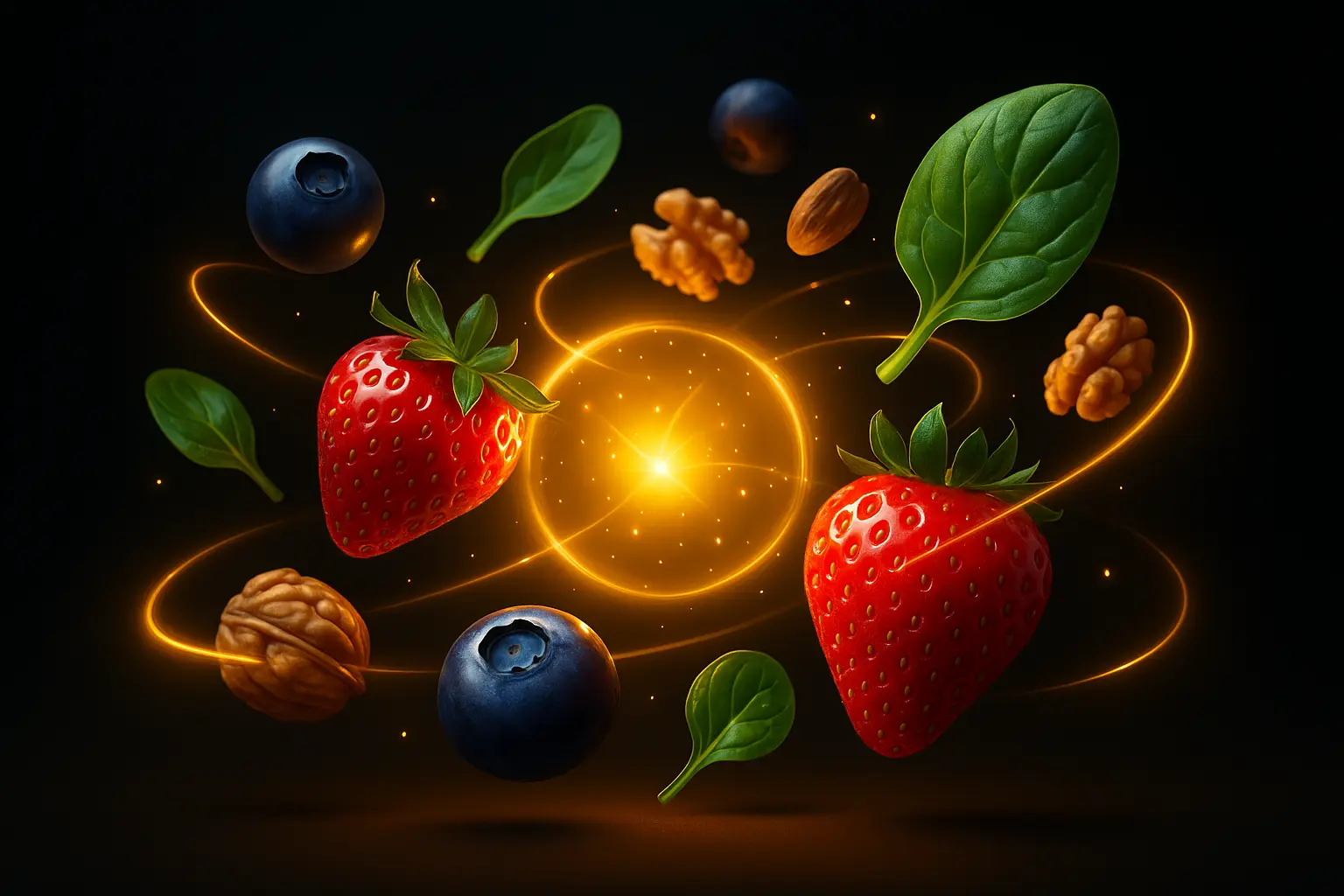
And yes, those berries 🍓, leafy greens 🥦, and nuts 🥜 you already hear about often make the list — for good reason. They’re easy to add to meals and they actually do deliver measurable benefits over time (not overnight miracles). Keep reading — there’s practical, everyday stuff here (and some tasty ideas too).
Why superfoods matter for everyday health
Adding a few superfoods to daily meals is less about dramatic fixes and more about steady, cumulative gains. Think of it like compounding interest for your body. A handful of the right foods can:
- Support immunity — vitamins A, C, zinc, and antioxidants help your immune cells.
- Help heart health — fiber, potassium, and healthy fats can lower risk.
- Boost brain function — omega-3 fats and flavonoids support cognition.
- Stabilize energy — fiber and protein prevent the “crash” after sugary foods.
That’s not fluff. Small, consistent habits (eat a handful of berries, swap in leafy greens, snack on nuts) add up over weeks and months. And for most people, the biggest wins come from simple, sustainable swaps rather than extreme diets. So yeah, keep it realistic — you don’t gotta turn into a kale-only person overnight. Hmm… where was I? Right — real benefits, real life stuff.
Top 10 superfoods to know in 2025 🥦🍓🥑
Here’s a friendly lineup — the usual suspects plus a few trending picks that have good evidence behind them. Short and sweet, with why they matter.
- Blueberries 🍓 — rich in antioxidants and flavonoids for brain and heart support.
- Leafy greens 🥦 (spinach, kale, Swiss chard) — packed with vitamins K, A, folate, and fiber.
- Avocado 🥑 — loaded with monounsaturated fats and potassium.
- Walnuts — omega-3 ALA for heart and brain; great snack option.
- Fatty fish (salmon, mackerel) — EPA/DHA omega-3s that lower inflammation.
- Legumes (lentils, chickpeas) — fiber, protein, and slow-burning carbs.
- Greek yogurt — probiotics and protein for gut and muscle health.
- Seeds (chia, flax, pumpkin) — tiny but mighty: fiber, minerals, omegas.
- Beets — nitrates for blood flow and endurance (athletes like this one).
- Turmeric — curcumin with anti-inflammatory properties (pair with black pepper).
Each of these brings specific benefits, but the real secret is variety — mix these in often, not all at once, and keep portions sensible. Simple as that.
How to include superfoods in your daily diet (easy wins)
No complicated meal plans here — just small, repeatable moves that slide into normal life. Try these micro-habits (they stack up):
- Morning: add berries 🍓 and a spoonful of chia to your oatmeal or yogurt.
- Lunch: toss spinach or kale 🥬 into sandwiches or grain bowls.
- Snack: a handful of walnuts or pumpkin seeds (portable and filling).
- Dinner: aim for two fist-sized portions of veggies and one serving of fatty fish a few times weekly.
- Seasoning: add turmeric to soups or rice (with a dash of black pepper to boost absorption).
Quick combos that work
- Smoothie: spinach + banana + frozen berries + Greek yogurt + flaxseed.
- Salad: mixed greens + avocado + roasted beet + walnuts + olive oil vinaigrette.
- Simple dinner: baked salmon + lentil salad + sautéed greens.
See? No rocket science. You can prep a few staples (washed greens, roasted chickpeas, cooked lentils) and assemble meals in minutes. Save time and eat better — sounds like a win-win.
Snack and swap ideas (small changes, big payoff)
Snacks are where a lot of diet gains are won or lost. Swap sugary treats for nutrient-dense options and you’ll feel the difference. Try these swaps — quick and doable.
- Instead of chips: try air-popped popcorn + a sprinkle of nutritional yeast (for B vitamins).
- Instead of candy: a small bowl of mixed berries + a few almonds.
- Instead of a sugary latte: switch to espresso with a splash of unsweetened almond milk and a side of fruit.
- Instead of processed bars: choose plain Greek yogurt with a drizzle of honey and chia seeds.
Little switches like these reduce sugar, add fiber, and bring in healthy fats — which helps mood, energy, and hunger control. Yep, it’s the small stuff that counts most.
Practical shopping and storage tips
Buying and storing smart keeps your superfoods fresher and less wasteful. A few simple habits go a long way:
- Choose frozen berries and greens when fresh options are expensive — they retain nutrients well.
- Buy nuts and seeds in small quantities (or freeze them) to avoid rancidity.
- Store avocados at room temp until ripe, then refrigerate to extend life.
- Look for wild-caught or well-sourced fatty fish when possible (budget-friendly frozen fillets are fine).
- Rotate pantry legumes: dried or canned, both work — rinse canned beans to cut sodium.
Also, keep a small list on your phone (or a sticky note, if you’re old-school) of go-to superfoods so shopping is fast. Trust me — it helps when you’re in a hurry and tempted by less-healthy choices.
Myths, cautions, and realistic expectations
Let’s bust some myths and set reasonable expectations. First, no food alone will cure disease or reverse years of poor habits (that’s unrealistic). Also, “superfood” doesn’t mean you can eat unlimited amounts — calories still matter. A few other notes:
- Allergies: nuts, seeds, and dairy (Greek yogurt) can be allergens — know your body.
- Interactions: turmeric and blood thinners can interact (check with a clinician if you’re on meds).
- Supplement traps: getting nutrients from whole foods is generally better than chasing pills.
- Balance beats single-food obsession: diversity in plants is more protective than one “miracle” item.
In short, be curious but cautious. If something sounds too good to be true, it probably is. Stay balanced, and you’ll be ahead of the game.
Sample weekly plan + a sample day to get you started
Here’s a simple, flexible framework — pick and choose based on time and taste. The idea: include at least three superfood touches each day (not hard, promise).
Weekly checklist
- Frozen berries and a tub of Greek yogurt
- Bag of mixed greens and a head of kale or spinach
- Pack of walnuts and a jar of chia or flaxseed
- 2–3 portions of fatty fish (or plant-based omega sources)
- Some legumes (canned or dried) and a couple of avocados
- Turmeric powder and fresh beets or canned beetroot
Sample day
- Breakfast: Greek yogurt + frozen blueberries + chia + drizzle of honey.
- Lunch: Spinach-avocado salad with chickpeas, beets, and walnuts; olive oil dressing.
- Snack: Apple slices + a spoonful of almond butter (or a handful of mixed nuts).
- Dinner: Baked salmon + lentils + sautéed kale; turmeric-seasoned roasted carrots.
That’s it. Mix, match, and repeat. Over weeks you’ll notice better satiety, steadier energy, and maybe even a better mood. Not bad for a few small changes, huh?
Final boosts and takeaways (quick checklist)
Keep this short and sticky — stuff you can remember when life gets busy:
- Aim for variety — different colors and plant types each week.
- Make superfoods convenient — prep ahead and stash healthy snacks.
- Focus on whole foods over supplements when possible.
- Listen to your body — one size doesn’t fit all.
Alright, go on — toss some berries in your cereal, add a handful of greens to your lunch, and snack on nuts. Small, steady moves beat dramatic swings. You’ll thank yourself later (and yes, you can still enjoy dessert now and then). Good luck — you got this.